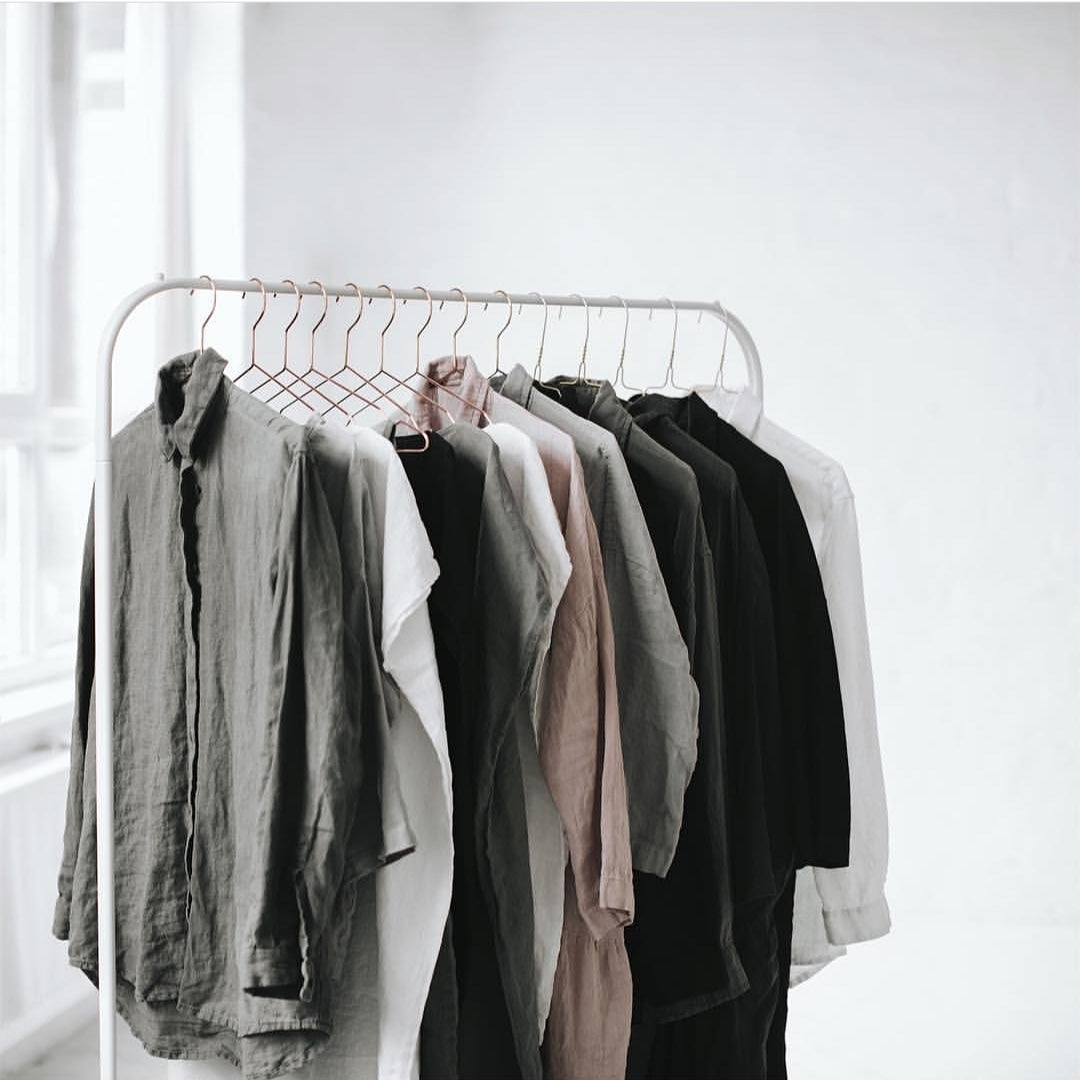


Choosing the Perfect Fabric for Curtain Styling in Your Home
Picking the right fabric for your curtains goes far beyond just choosing a colour. It’s arguably the single most important decision you'll make, setting the tone for the entire room. Think of it like dressing a person: breezy linen feels relaxed and casual, while rich, heavy velvet brings a sense of formality and drama. The material you choose dictates everything from light control and privacy to the overall energy of your space.
The Foundation of Style: Choosing Your Ideal Curtain Fabric
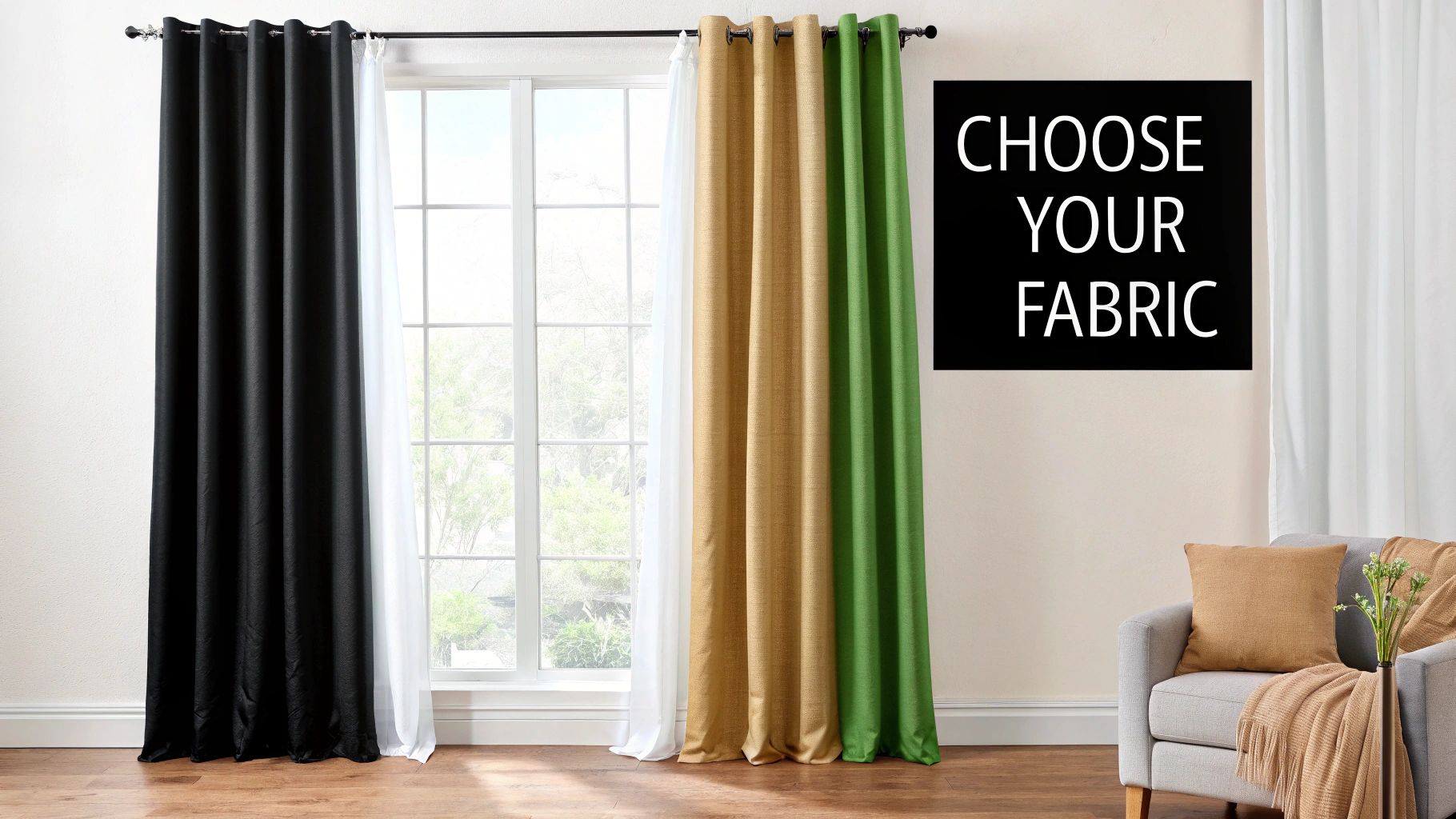
Before you fall in love with a particular pattern or texture, let's start with the practical stuff. The journey to perfect curtains always begins with function. Ask yourself two simple questions: how much natural light do I actually want in here, and what is this room primarily used for?
Answering these questions first will narrow down your options in a really helpful way. Here in New Zealand, it's no surprise that fabrics command a massive 45% market share in window coverings, largely because of their incredible design versatility. They just offer more personality than other options.
To get a real feel for how different fabrics will work with your existing decor, it's a great idea to try creating a material board for interior design. This is a classic designer's trick that helps you see how textures and colours interact before you commit.
And, of course, before you finalise anything, you need precise measurements. Getting this wrong can be a costly mistake, so make sure to check out our step-by-step guide on how to measure for curtains.
A Deep Dive into Popular Curtain Fabrics
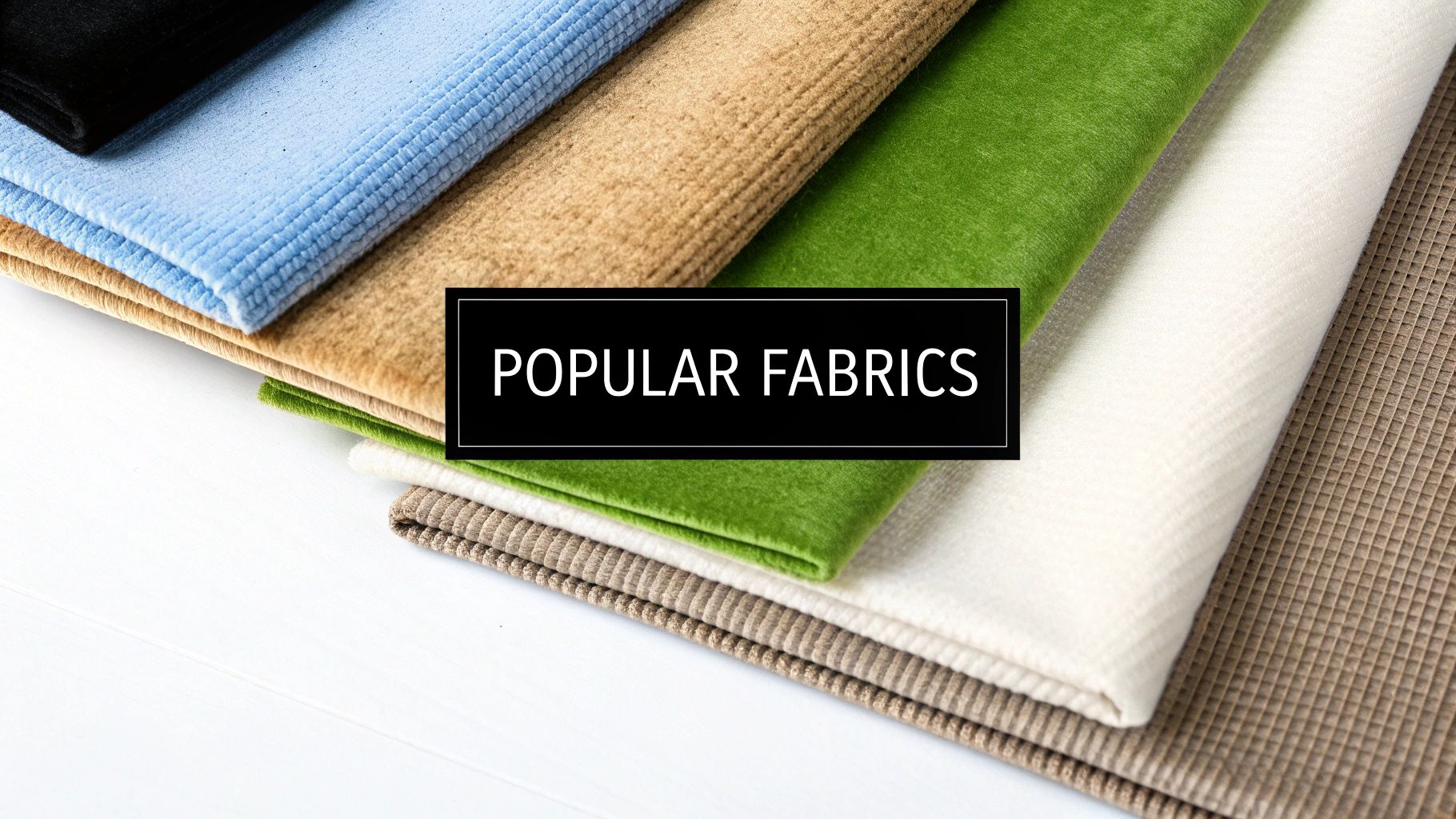
When you're choosing curtains, the fabric is everything. It dictates not just the look, but the feel, the drape, and even the room's atmosphere. Think of fabrics as having their own personalities. To make sense of it all, we can group them into a few key families, each with a distinct character.
Let's start with the naturals.
The Earthy Charm of Natural Fibres
First up are the natural fibres like linen and cotton. These are the go-to choices for creating a relaxed, breathable space. They feel beautifully organic and have a way of softening a room, lending it an airy, laid-back vibe. If you’re drawn to that effortless, timeless elegance, you’ll love the character of luxury pure linen.
The Opulence of Luxurious Textures
Next, we move into the more decadent end of the spectrum with fabrics like silk and velvet. These aren't just curtains; they're statements. Luxurious textures are all about creating a sense of opulence and drama. The rich, heavy drape of velvet, for instance, adds instant sophistication and offers fantastic insulation, making a room feel both grand and cosy.
The Resilience of Practical Synthetics
Finally, there are the workhorses of the curtain world: practical synthetics. Materials like polyester and its various blends are champions of durability. They’re built to last, standing up to fading from harsh sunlight and the general wear and tear of a busy home. This makes them a brilliant, low-fuss option for sunny spots or high-traffic areas where you need your curtains to look great for years to come.
How Weight and Lining Bring Your Curtains to Life
The fabric you choose is just the starting point. The real magic happens when you consider its weight and whether to add a lining—these are the two elements that truly define how your curtains will look and perform in your home.
Think of fabric weight as the key to the curtain's drape, which is just the professional way of saying how it hangs and folds. A lightweight, sheer linen billows softly in a breeze, creating an ethereal, relaxed vibe. On the other end of the spectrum, a heavy, dense velvet falls in stately, sculptural folds, bringing a sense of drama and formality to a room.
Lining, however, is the unsung hero of custom curtains. It’s what takes a simple piece of fabric and turns it into a high-performance feature for your window. A good lining acts as a barrier, protecting your beautiful face fabric from the harsh sun that can cause fading and deterioration over time.
But it does more than that. Lining adds a substantial, luxurious fullness to the curtain, making it look more plush and expensive. It also dramatically boosts its insulating properties, helping keep your home warmer in winter and cooler in summer, and even muffles outside noise. When you understand this, you stop seeing curtains as just decoration and start seeing them as an investment in your home's comfort and style.
To see how beautiful materials and quality construction come together, take a look at our collection of affordable custom linen curtains available online.
Matching Fabrics to Your Room and Lifestyle
Choosing the right curtain fabric isn't just about colour or pattern; it's about matching the material to the room's function and the life that happens within it. The needs of a bustling family living room are completely different from a quiet, restful bedroom.
For a living room—the social heart of the home—you want something that feels welcoming but can also handle daily life. A durable, elegant linen or a practical cotton blend strikes the perfect balance, creating a relaxed atmosphere that’s easy to live with.
Bedrooms, on the other hand, are all about sanctuary. This is where you’ll want to lean into heavier, more luxurious fabrics. Think velvet or a thick, lined material that helps block out the world. Paired with a quality blackout lining, it provides the ultimate in privacy and light control for a truly restorative sleep.
And what about those tricky, moisture-prone areas like kitchens and bathrooms? Here, practicality is king. Easy-to-clean synthetics are the smartest choice, as they resist mildew and are simple to maintain.
This simple guide can help you think through the right opacity for your space, depending on how much light, privacy, or darkness you need.
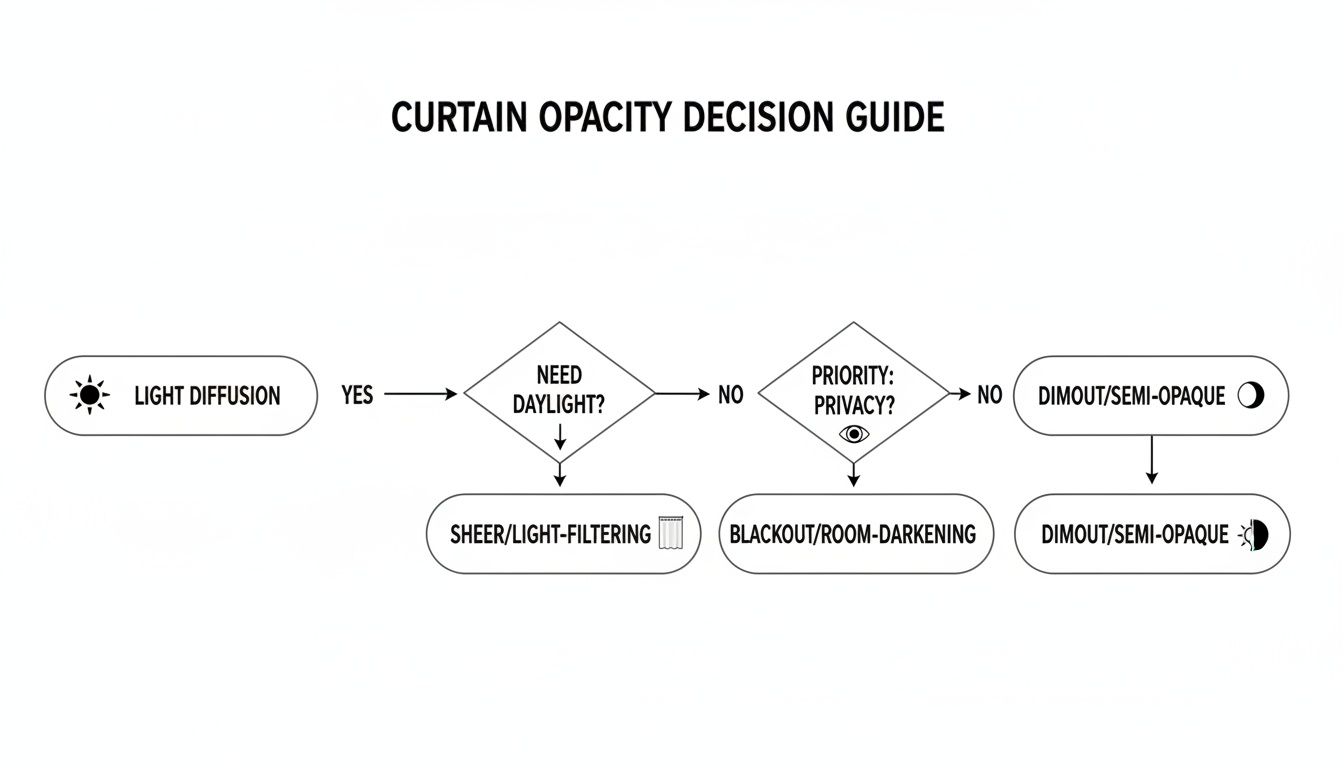
Ultimately, selecting the right material is what makes your curtains not just beautiful, but perfectly suited to their environment.
How Pleats and Hanging Styles Complete the Look
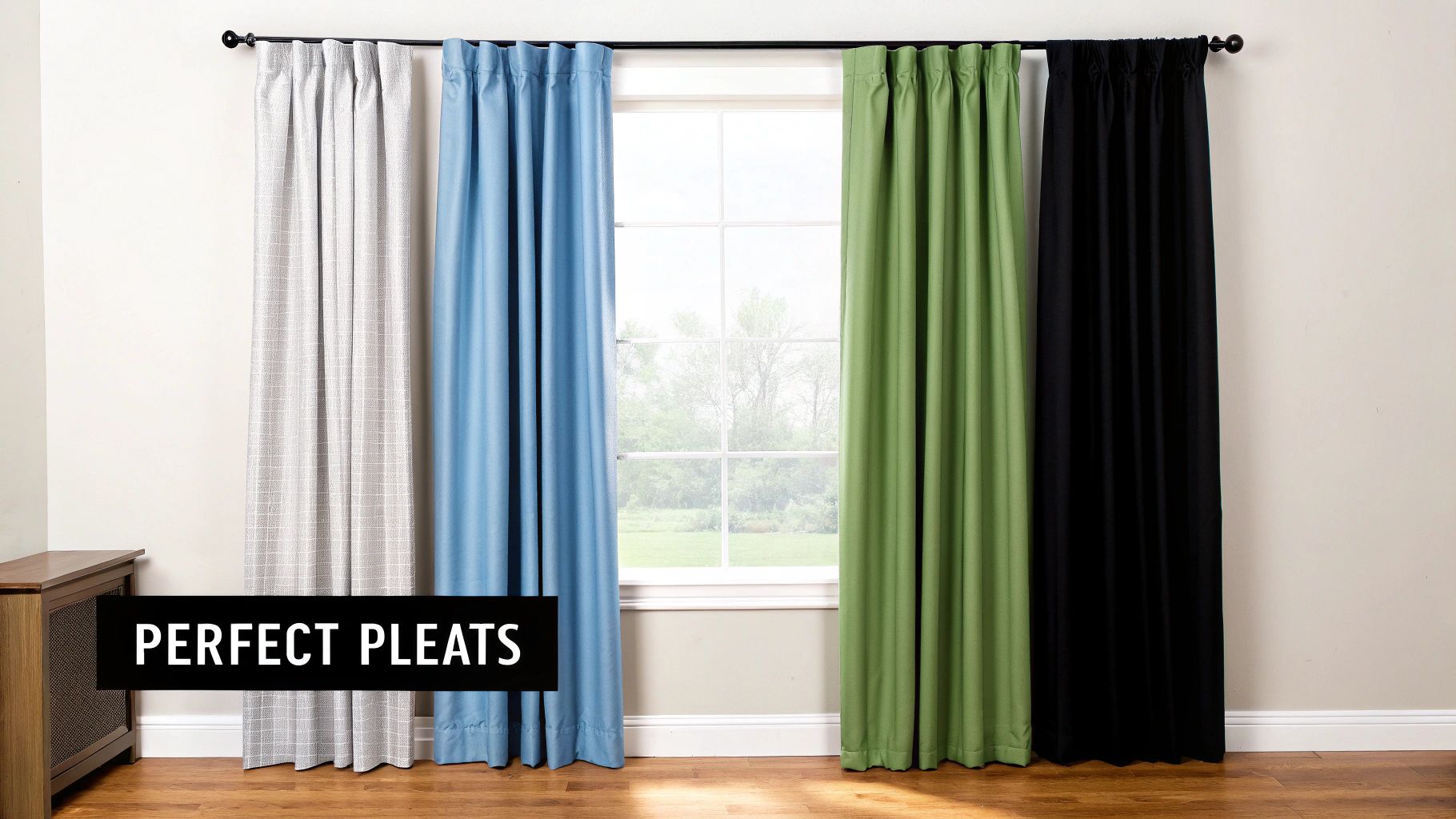
You can choose the most stunning fabric in the world, but without the right structure, it simply won’t look its best. The heading style – that is, the pleat – is what gives your curtains their shape and character, defining how the fabric hangs and drapes from top to bottom.
Think of it like the tailoring on a beautiful suit. A traditional, structured Pinch Pleat lends a formal, classic air that pairs wonderfully with heavy velvets or silks. On the other hand, the clean, crisp lines of an Eyelet heading feel much more modern and are a perfect match for contemporary cottons and linens. For a softer, more relaxed effect, a Ripple Fold creates uniform waves that let lightweight sheers flow beautifully.
The real secret is matching the pleat to the fabric's weight. A heavier fabric needs a structured heading to control all that fullness, while a lighter material looks its best when it has the freedom to move and drape naturally.
Finally, think about the length. Do you want your curtains to just ‘kiss’ the floor for a neat, tailored finish, or do you prefer the romantic drama of a 'puddle' of fabric gathered at the bottom? These finishing touches are what truly complete the picture.
So, you’ve chosen the perfect fabric for your curtains. That’s a fantastic start, but keeping them looking as good as the day they were installed is all about proper care. Think of it as protecting your investment – the right maintenance will preserve the fabric's rich colour, beautiful texture, and elegant drape for years to come.
How you clean your curtains really comes down to the fabric you've chosen. Hard-wearing synthetics like polyester or a sturdy cotton blend can often handle a gentle cycle in the washing machine. Easy peasy.
But when it comes to the more delicate natural fibres, you need a gentler touch. Materials like pure linen, luxurious silk, and plush velvet are strictly dry-clean only. Trying to wash these at home can lead to shrinkage, watermarks, or crushed pile – a heartache you definitely want to avoid.
For simple, day-to-day upkeep, your vacuum cleaner is your best tool. Just use the soft brush attachment to gently lift dust from the fabric, preventing it from settling deep into the fibres. It’s a small step that makes a big difference. And don't forget the power of a good lining! It acts as a crucial shield against sun fading, which is one of the biggest threats to any window treatment, especially here in New Zealand.
Your Curtain Fabric Questions, Answered
Choosing the right curtain fabric can feel overwhelming, so we've gathered a few of the most common questions we hear from clients to help guide you.
What’s the Best Fabric for a Really Sunny Room?
Rooms that get a lot of direct sun need a fabric that can stand up to the challenge. We often recommend robust polyester blends or a sturdy, tightly woven cotton because they're fantastic at resisting fading.
If your heart is set on a beautiful natural fibre like linen, don't worry! The key is to pair it with a high-quality blockout lining. Think of the lining as a hardworking shield—it takes the hit from the sun, protecting your lovely face fabric from damage and bleaching, all while giving you top-notch insulation.
How Can I Tell if a Fabric Is Good Quality?
There are a few simple hands-on tests you can do. First, just feel it. A quality fabric will have a pleasing, substantial weight to it and should feel smooth, not rough or flimsy.
Next, give it a gentle pull. It should have a bit of give but snap right back to its original shape. Finally, hold it up to a window or a light. A dense, tight weave is usually a great sign of durability and how well it will drape.