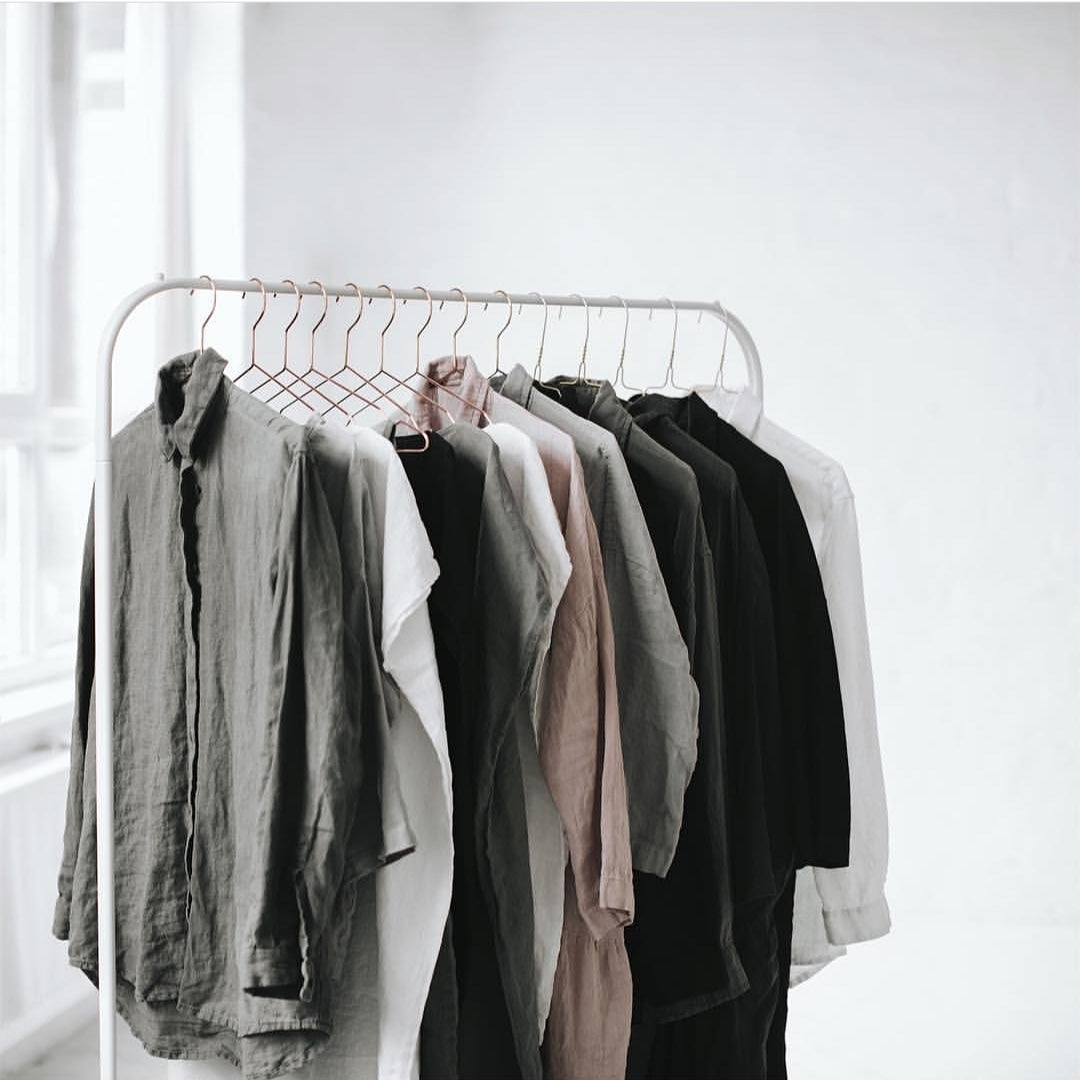


A Guide to Fabric Dyeing NZ for Luxury Homewares
In New Zealand, bespoke fabric dyeing is where the rich legacy of textile craft meets the sophisticated demands of modern luxury. It's the art of transforming premium fabrics, like beautifully textured linen and silky Supima® cotton, into one-of-a-kind pieces that bring a unique story to high-end interiors. This is about moving beyond off-the-shelf options to achieve a level of personalisation and creativity that simply can't be found anywhere else.
The Art of Bespoke Fabric Dyeing in New Zealand
Imagine the tactile world of artisanal fabric dyeing, a place where age-old techniques breathe life into contemporary luxury. There's a certain magic in custom-dyed textiles—you can feel it in the soft, tumbled handle of an airo-washed linen or see it in the deep, saturated colours of perfectly dyed Supima® cotton. This process is so much more than just applying colour; it's a genuine transformation.
Bespoke dyeing takes a simple length of fabric and turns it into a true statement piece for your home. It's a bridge connecting heritage craftsmanship, often passed down through generations, with the clean, refined aesthetic of modern interior design. And here in New Zealand, this craft has a particularly compelling story.
From Industry Powerhouse to Artisanal Niche
Our local textile industry has seen some dramatic changes over the decades. Back in the 1950s, it was a real powerhouse, with around 80,000 people working in everything from design and cutting to the vital dyeing processes that gave our wool and cotton their vibrant character.
Today, that workforce is less than 2,000. Globalisation and the shift away from mass production changed everything. But out of that change, something special has emerged: a renewed appreciation for small-scale, high-quality, and sustainable craftsmanship. You can read more about this historic shift in the New Zealand textile industry on Greenpeace.org.
This guide is your introduction to this beautiful craft. We'll walk through the essentials of what makes it so unique, covering:
- Key Dyeing Methods: Getting to grips with the differences between reactive, acid, and natural dyes.
- Premium Fibre Suitability: Looking at how fantastic fibres like linen and Supima® cotton respond to different types of dye.
- Sustainability and Care: Understanding the importance of responsible practices and how to keep your custom textiles looking beautiful for years to come.
At its heart, bespoke fabric dyeing is an intimate collaboration between artisan, fibre, and pigment. It’s a deliberate, thoughtful process that imbues textiles with a story and character that mass manufacturing simply cannot replicate.
Ultimately, choosing custom-dyed fabrics is an investment. It’s an investment in unparalleled quality, in true individuality, and in the continuation of a precious craft right here in New Zealand. It's about creating spaces that are not only stunning but also deeply personal, reflecting a real commitment to artistry and sustainability.
Understanding Different Dyes for Premium Fabrics
Choosing the right dye for a premium fabric is a bit like a chef selecting the perfect ingredient; the final result depends entirely on this crucial first step. Not all dyes are created equal, and their true magic lies in the unique chemical relationship they form with different fibres. Getting a feel for this interaction is the key to appreciating the depth of colour and lasting quality you find in bespoke textiles.
Think of trying to fit a specific key into a lock. This is exactly how fibre-reactive dyes work with plant-based (cellulose) fibres like European linen and Supima® cotton. The dye molecule is the "key," and the fabric's molecular structure is the "lock." When you bring them together under the right conditions, they click into place and form a permanent, covalent bond. The colour literally becomes part of the fabric itself.
This process is why reactive dyes are the gold standard for luxury plant-based textiles. They deliver brilliant, vibrant colours that are exceptionally resistant to fading from washing or sunlight. Critically, the colour doesn't just sit on top of the fabric; it becomes one with it. This preserves the soft, natural feel that makes linen and Supima® cotton so sought-after in the first place.
The Power of Molecular Bonds
Research from AUT University on textiles in the New Zealand fashion market has confirmed just how dominant reactive dyes are for high-end uses. The study highlighted their superior wash fastness and brilliant colour yield on cotton—qualities essential for luxury items like bedding and sleepwear. While the multi-step process adds to the cost, the soft, sophisticated fabric feel is a hallmark of quality that simpler pigment printing just can't replicate.
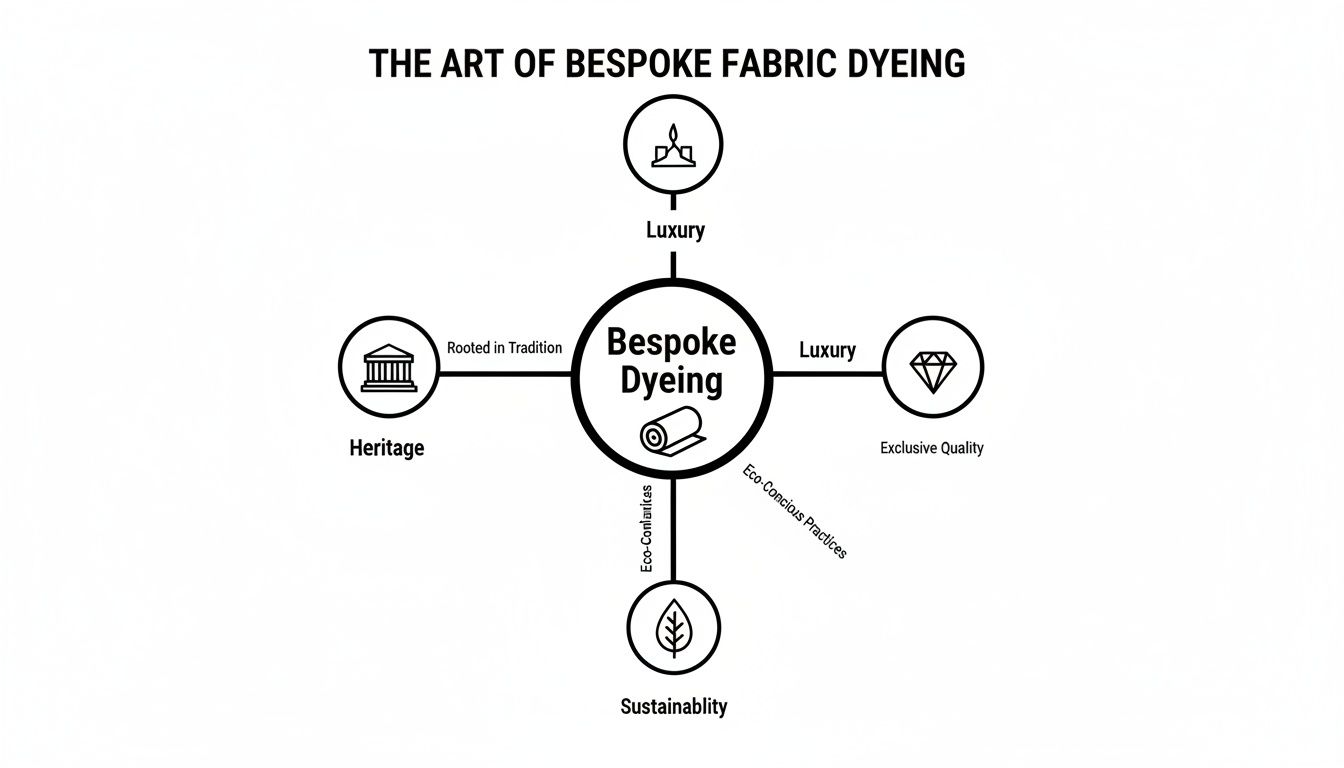
As you can see, high-end fabric dyeing isn't just a technical process. It's a craft deeply rooted in values that discerning clients really appreciate.
Dyes for Different Fibre Families
While reactive dyes are perfect for plant fibres, they are completely ineffective on protein fibres like wool or silk. For these materials, artisans turn to acid dyes. The name sounds a bit harsh, but it simply refers to the mildly acidic environment—often created with nothing more than household vinegar—required for the dye to work its magic.
Instead of that lock-and-key bond, acid dyes form an ionic bond. Think of it like two magnets attracting each other. This creates strong, beautiful colours on protein fibres, but those same dyes would simply wash straight out of cotton or linen. This distinction is absolutely fundamental to the craft of fabric dyeing in NZ.
Here’s a quick breakdown:
- Fibre-Reactive Dyes: The go-to for cellulose fibres (linen, cotton, rayon). They form a permanent molecular bond, giving you excellent colourfastness and a soft hand-feel.
- Acid Dyes: Ideal for protein fibres (wool, silk, nylon). They create a strong ionic bond that results in rich, vibrant colours.
The Gentle Art of Natural Dyes
Finally, there’s the ancient and beautiful world of natural dyeing. This method is like borrowing colours directly from nature, using materials like onion skins, avocado pits, eucalyptus leaves, and madder root. The resulting palette is often earthy, subtle, and completely unique, with a gentle variation that synthetic dyes can't replicate.
Natural dyeing is a conversation with the landscape. Each dye bath tells a story of a specific place and time, capturing pigments that reflect the local flora and seasons, making every piece of fabric truly one-of-a-kind.
Natural dyes need a mordant—a substance that helps the colour bind to the fabric—and the results can be less predictable than with their synthetic counterparts. However, their deep connection to nature and their soft, harmonious tones make them a compelling choice for anyone seeking a truly organic and sustainable aesthetic. When exploring colour matching, seeing how different brands create their palettes can be fascinating; a good Weeks Dye Works to DMC conversion guide can be incredibly helpful for this.
Keeping the Colour and Life in Your Dyed Linens
You’ve invested in beautifully dyed linen or Supima® cotton, and now those rich ambers, deep indigos, and soft sage greens are part of your home. The next step is making sure they stay just as vibrant as the day they arrived. That's where a little know-how about colourfastness makes all the difference.
Colourfastness isn't just one thing; it's a measure of how well a fabric’s colour holds up against the rigours of everyday life. Think of it as the colour’s staying power. For luxury homewares, this is absolutely crucial—it’s what ensures your pieces look stunning for years, not just for a season.
What Really Makes Colour Last?
We look at three main areas to judge how well a colour will perform. Each one tests the dye against a different challenge your fabrics will face.
- Wash Fastness: This is the one we all know. How does the colour handle a trip through the washing machine? Will it fade, or worse, bleed onto everything else in the load? Dyes that form a powerful molecular bond, like the fibre-reactive dyes we use, are the clear winners here.
- Lightfastness: This is all about how the fabric stands up to light, especially the harsh UV rays from our New Zealand sun. A fabric with poor lightfastness will look disappointingly faded or bleached after spending time near a sunny window.
- Crocking (Colour Rub-off): Ever had a new pair of dark jeans leave a blue smudge on a light-coloured couch? That’s crocking. It’s when colour transfers from one fabric to another through friction. Quality dyeing ensures this is kept to an absolute minimum.
In New Zealand, professional fabric dyeing is all about hitting high marks in these three areas. It’s a signature of true craftsmanship and what sets artisanal textiles apart from mass-produced items. You're not just buying a colour; you're investing in its permanence.
Practical Care for Your Dyed Textiles
Great dyeing is only half the story; proper care is the other. While our textiles are made to be lived with, a few simple habits will keep them in perfect condition. The golden rule? Be gentle.
Whether it’s our European linen or Supima® cotton, a gentle touch goes a long way. Harsh chemicals and high heat are the enemies of natural fibres and vibrant colour, so it’s best to avoid them entirely.
Washing and Drying Tips:
- Keep it Cool: A gentle, cold or lukewarm cycle is your best friend. A temperature around 30°C cleans beautifully without stressing the fabric.
- Use a Mild Detergent: Look for a pH-neutral, eco-friendly liquid. Steer clear of anything with optical brighteners or bleach, as these additives are designed to strip colour away.
- Separate Your Colours: It’s a classic laundry rule for a reason. Wash your dyed pieces with similar shades, especially for the first few washes, just in case any excess dye is released.
- Air Dry is Best: Nothing beats line drying in the fresh air. If you need to use a tumble dryer, stick to the lowest heat setting and pull your linens out while they’re still a little damp. This prevents over-drying and helps cut down on wrinkles.
Following these simple steps is the best way to protect the integrity and beauty of your custom-dyed pieces. For an even deeper dive, our complete linen care guide has everything you need to know. A little thoughtful care ensures your homewares will continue to bring you joy for a very long time.
Sustainable Dyeing Practices in New Zealand
As we grow more passionate about creating beautiful, personal living spaces, our awareness of the environmental footprint we leave behind sharpens. The world of fabric dyeing in NZ sits right at the heart of this conversation, with a clear shift towards practices that value both stunning results and the health of our planet. It’s a change that means looking closely at everything from water usage and wastewater treatment to the very dyes we choose.
Artisanal, small-batch dyeing offers a compelling alternative to mass industrial production. When a dyer works with a limited run of fabric, they have incredible control over the entire process. This hands-on approach means dyes and water can be measured with precision, drastically cutting down on the waste that’s so common in large-scale operations.
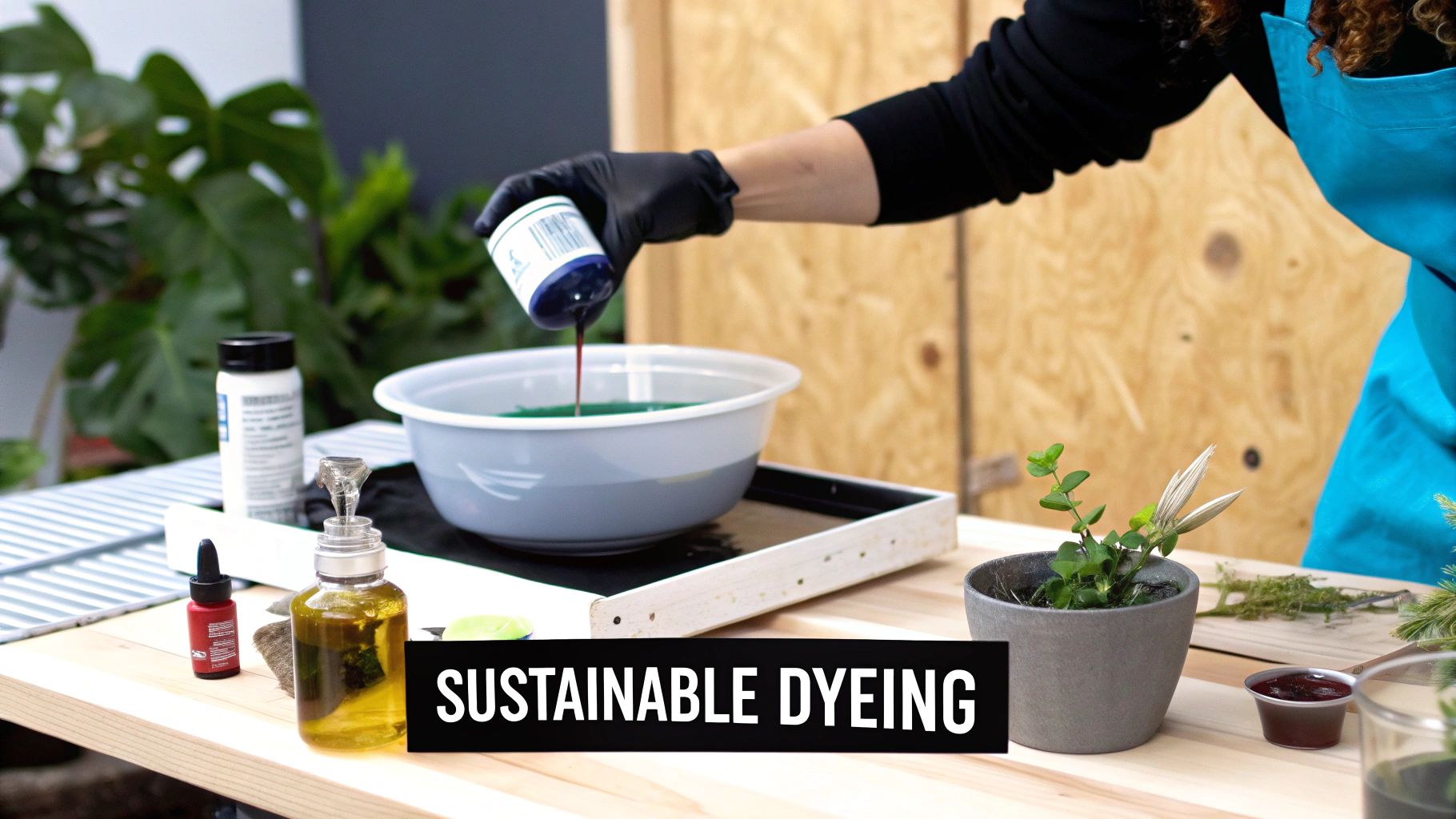
The Environmental Impact of Dyes
The textile industry's global impact is enormous. Textile dyeing is often named as the world's second-largest polluter of water—a sobering reality that really hits home here in New Zealand. With an estimated 180,000 tonnes of clothing and textile waste heading to our landfills each year, the environmental cost of poorly managed dye effluent is a major concern. This context makes choosing sustainable dyeing practices less of a preference and more of a responsibility.
Conscious dyers across New Zealand are tackling this challenge head-on in a few crucial ways:
- Water Conservation: They’re using modern, low-water-immersion techniques to keep consumption to a minimum.
- Effluent Treatment: Wastewater is carefully neutralised before being discharged, ensuring harmful chemicals don’t find their way into our precious waterways.
- Eco-Friendly Dyes: There's a strong focus on using dyes that are low-impact and free from heavy metals and other toxic substances.
Choosing textiles from a local, small-batch dyer is a direct investment in a more sustainable model. It supports artisans who are dedicated to minimising their environmental impact, ensuring the luxury in your home doesn't come at the planet's expense.
Embracing a Greener Palette
This push towards sustainability is also shaping the colours and materials we see. Natural dyes, derived from plants, minerals, and even insects, are surging in popularity. They offer unique, earthy tones that feel directly connected to the Aotearoa landscape. And while synthetic dyes like fibre-reactive types are still prized for their vibrancy and permanence, many artisans now choose low-impact versions that meet strict environmental standards.
This dedication to responsible practice naturally extends to the fabrics themselves. Premium, long-lasting materials like European linen are inherently sustainable. Linen comes from the flax plant, which needs far less water and fewer pesticides to grow than conventional cotton. You can discover more about this incredible fabric in our guide to understanding linen material in NZ.
By pairing eco-conscious dyeing methods with durable, natural fibres, New Zealand artisans are creating homewares that are not only beautiful but also ethical and built to last. Going beyond the dyeing process, exploring other sustainable interior design materials can help bring your whole home into alignment with these values. It’s a thoughtful approach that ensures every cushion, throw, and curtain contributes not just to your home’s aesthetic, but to a healthier industry and a cleaner environment for us all.
How to Commission Bespoke Fabric Dyeing
Taking the leap into a custom colour project is one of the most exciting ways to create a truly personal space. When you commission a bespoke fabric dye, you’re stepping beyond the standard colour chart to get the exact shade you’ve dreamed of for your curtains, cushions, or a one-of-a-kind garment.
But to make sure the journey from a simple idea to a finished textile is a smooth one, it’s all about asking the right questions. Think of it as a creative partnership. You’re working with an artisan who understands the intricate dance between pigments, fibres, and techniques. A clear, detailed brief is the cornerstone of this relationship, heading off any misunderstandings and ensuring the final result is exactly what you imagined.
Your Pre-Commission Checklist
Before you even pick up the phone or send that first email, it helps to gather your thoughts and materials. A bit of prep work makes that initial consultation so much more productive, allowing the artisan to give you a realistic quote and timeline right from the get-go.
Here’s a checklist of the essential questions to run through with any dyer or studio you’re considering for your fabric dyeing NZ project. This framework will help you cover all the bases, from the creative vision to the practical details.
What to Ask Your Dyer
-
Can You Match a Specific Colour Sample?
This is usually the big one. For the best result, always provide a physical sample—a paint chip from Resene, a snippet of wallpaper, or another piece of fabric. Ask them about their process for creating a "lab dip" (a small test swatch) for your approval before they commit to dyeing the full run. -
What Is Your Speciality Dyeing Process?
Get a feel for the methods they favour. Do they specialise in vibrant, permanent fibre-reactive dyes for linen? Or perhaps subtle, earthy tones using natural dyes? Their expertise should match the fabric you’re using and the aesthetic you're after. -
How Do You Ensure Colour Consistency Across a Batch?
This is crucial for larger projects like a full set of curtains or matching upholstery. You need to know how they manage colour uniformity from the first metre to the last. A professional dyer will have a meticulous process for measuring dyes and controlling the environment to nail that consistency.
Commissioning custom work is about precision and trust. A professional dyer should be able to walk you through their quality control measures, explaining how they manage variables to deliver a consistent, beautiful result every time.
-
What Are the Estimated Costs and Timelines?
Always ask for a detailed quote that breaks down the costs: materials, labour, and any colour development work. Just as important, get a clear estimate on the turnaround time, from the moment you approve the swatch to when the finished fabric arrives at your door.
Understanding the Nuances of the Craft
It’s important to remember that bespoke dyeing is an art, not just an exact science. Slight variations are part of its character and charm. The very same dye recipe can look different on linen than it does on cotton, simply because of how each fibre absorbs colour. Even the natural, undyed colour of the base fabric (the "greige") will subtly influence the final shade.
A skilled dyer will walk you through these variables, managing your expectations while working meticulously to get as close as possible to your vision. For a deeper dive into creating unique textiles, our guide to designing bespoke linen offers more insight into the creative process.
By arming yourself with these questions, you can step into a partnership with an artisan confidently, ready to turn your creative vision into a tangible, beautifully coloured reality.
Styling Custom-Dyed Textiles in Your Home
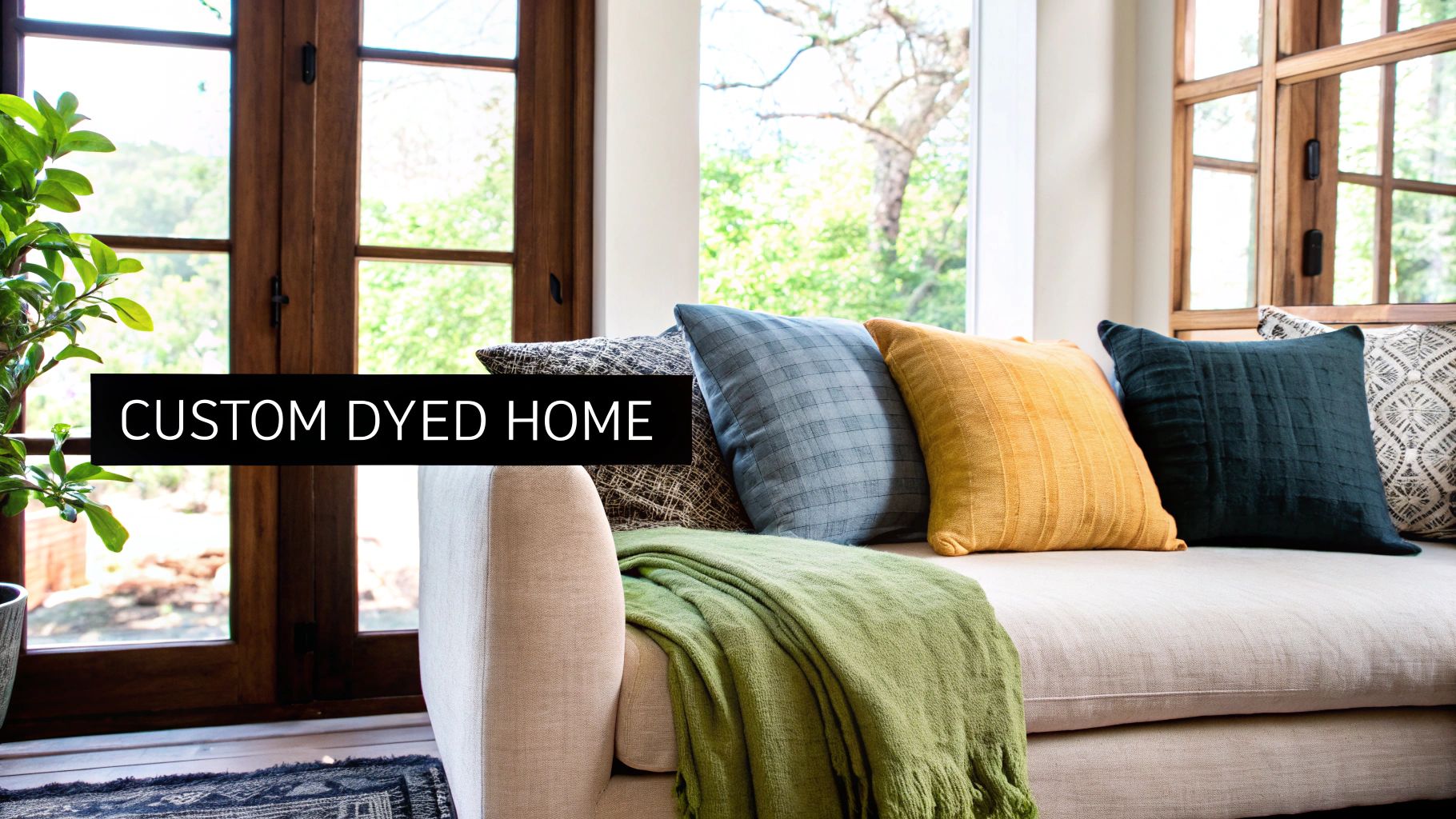
Bringing a piece of custom-dyed fabric into your home is a bit like hanging a new piece of art. It’s your chance to step away from mass-produced items and create a space that feels personal, layered, and truly alive with colour. These unique textiles are more than just accessories; they are powerful tools that can completely shift the mood of a room.
The real magic of bespoke dyed fabrics lies in the story they tell. Whether you’re drawn to a palette of soft, natural neutrals, deep moody tones, or gentle earthy colours, each piece carries its own unique character. This is how you build a real sensory sanctuary, layering textures and shades to create an atmosphere that feels both sophisticated and wonderfully inviting.
Creating Cohesion with Colour
One of the cleverest ways to use custom textiles is as a visual bridge, connecting different elements in a room. A bespoke-dyed cushion or throw can pick up the tones from a painting, a rug, or even the view from your window, tying everything together with a sense of harmony and purpose.
Think about how different colour families can shape the feeling of a space:
- Natural Neutrals: Soft oatmeals, warm greys, and gentle creams provide a calm, serene foundation. They’re perfect for layering textures without ever feeling overwhelming.
- Deep Moody Tones: Rich ambers, inky blues, and forest greens add a sense of depth and intimacy. Even a single velvet cushion or a heavy linen throw in a dark, saturated hue can anchor a room, giving it a touch of luxury.
- Soft Earthy Colours: Imagine sage green, terracotta, and dusty rose. These shades connect your interior to the natural world, fostering a peaceful, grounded feeling that feels so quintessentially New Zealand.
Using custom-dyed fabrics isn’t about chasing trends; it’s about defining your own style. It’s the opportunity to curate a colour palette that truly resonates with you, making your home a genuine reflection of who you are.
Practical Styling Inspirations
Bringing these ideas to life in your own space is where the fun really starts. The goal is to integrate these pieces thoughtfully, letting their unique character shine without dominating the room. The art of fabric dyeing in NZ studios allows for exactly this level of precision.
Here are a few concrete ideas to get you started:
- Layer Throws on a Sofa: Casually drape a hand-dyed linen throw over the arm or back of your sofa. This simple touch adds an immediate layer of colour and texture, making the space feel more comfortable and lived-in.
- Pair Custom Curtains: Think about commissioning curtains in a shade that subtly complements your wall colour. This creates a beautiful tone-on-tone effect that adds sophistication and can make the room feel larger and more cohesive.
- Use Cushions as Accent Pieces: Scatter a few bespoke cushions on a bed or an armchair. This is your chance to be a bit bolder, using them as punctuation marks to introduce a new colour or pull an existing scheme together.
Ultimately, styling with custom-dyed textiles is about seeing them as more than just objects. They are essential elements in your design toolkit, each one offering a chance to infuse your home with personality, craftsmanship, and a deep, resonant sense of colour.
Your Fabric Dyeing Questions, Answered
Diving into the world of bespoke textiles can bring up a few practical questions. I get asked these all the time, so I've put together some straightforward answers to help you navigate your next fabric dyeing project in NZ, whether you're dreaming up luxury homewares or a one-of-a-kind garment.
How Much Does Professional Fabric Dyeing Cost in NZ?
The truth is, it varies quite a bit. The final cost for professional dyeing in New Zealand really hinges on a few key things: how complex the project is, the type of dye we're using, the fabric itself, and of course, the size of the dye bath.
A single, custom-dyed linen dress, for example, will naturally cost more because you're paying for an artisan’s dedicated time and specific expertise. When it comes to larger projects, like dyeing several metres of fabric for curtains or upholstery, the price is usually worked out per metre. My best advice? Always ask for a detailed quote upfront. A good dyer will happily break down the costs for materials, labour, and any special colour-matching work so there are no surprises.
What Is the Best Dye for Rich Colour on Linen?
When it comes to linen, which is a plant-based cellulose fibre, nothing beats fibre-reactive dyes for achieving those really rich, deep, and permanent colours. What makes these dyes so good is that they create a permanent molecular bond with the fabric. The colour literally becomes part of the fibre.
Think of it like a tattoo for your fabric. This molecular bond is what gives it incredible wash fastness and resistance to fading, keeping your luxury linens looking vibrant for years.
While I love the beautiful, earthy tones you can get from natural dyes, they just don't offer the same punch or permanence on linen without using special mordants to help the colour stick.
Can I Get a Perfect Colour Match for My Décor?
Absolutely. Getting a precise colour match is one of the biggest advantages of working with a professional. A skilled dyer can mix custom colour recipes and run several tests to nail the exact shade from a paint swatch, a piece of thread, or another fabric sample from your home.
It is worth remembering, though, that the fabric’s natural, undyed colour and its texture can slightly influence the final hue. To make sure you’re completely happy with the outcome, always ask to see and approve a small test sample—we call it a "lab dip"—before the main piece goes into the dye pot.
At The Foxes Den, we’re all about the artistry of bespoke textiles and beautiful materials. If you’re looking to bring some timeless elegance into your home, take a look through our curated collections of luxury linen bedding and homewares. Discover the difference at https://www.thefoxesden.co.nz.