


Your Guide to the Best Linen Tablecloth NZ Offers
A quality linen tablecloth is so much more than a simple covering for your table. Think of it as a quiet, timeless investment in your home's atmosphere—a piece that can turn an ordinary Tuesday night dinner into a memorable occasion. These tablecloths perfectly blend natural elegance with surprising durability, making them a true centrepiece in modern New Zealand homes.
The Enduring Appeal of Linen in New Zealand Homes
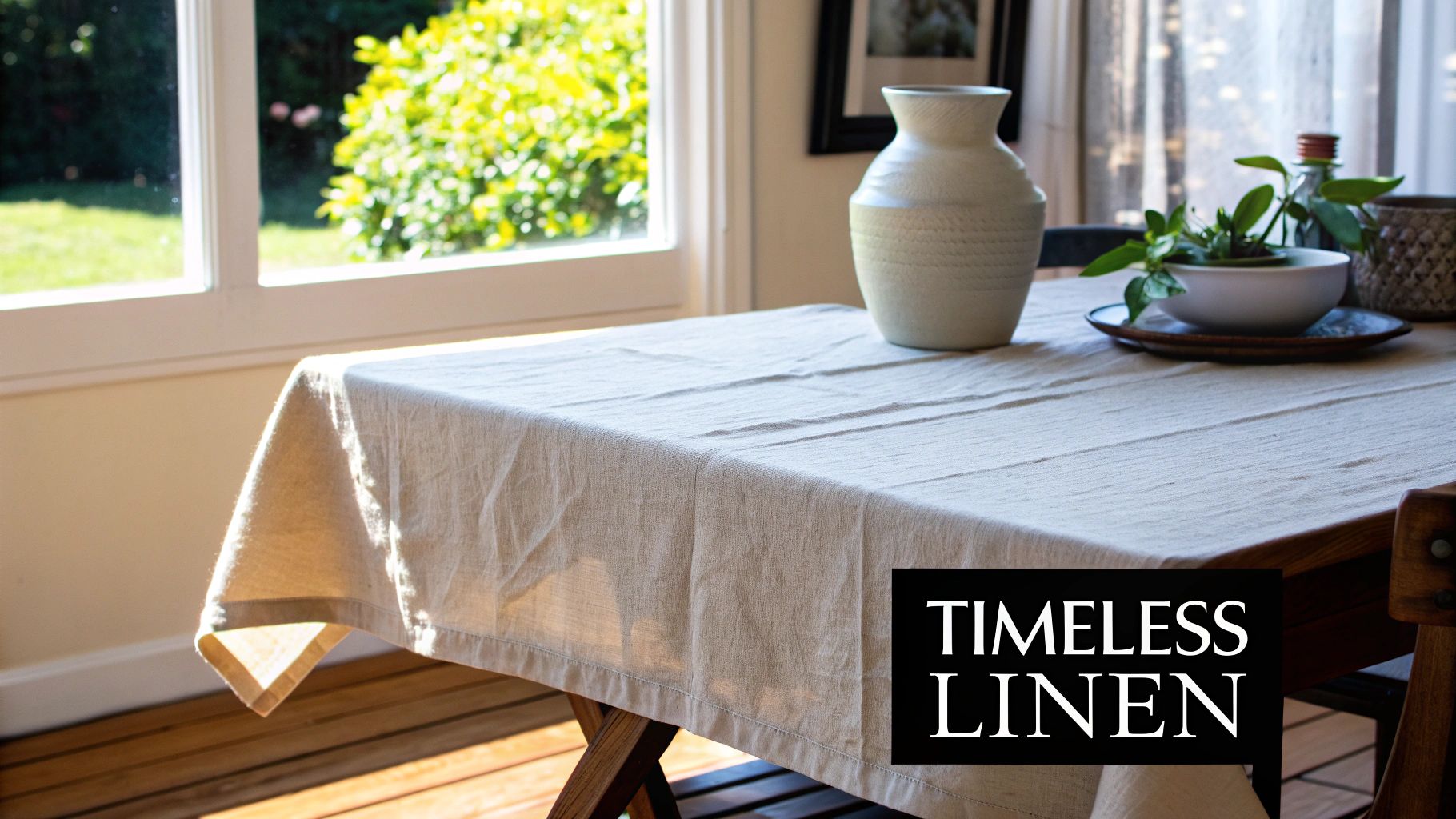
There’s a subtle shift happening in dining rooms across Aotearoa. More and more, we're stepping away from fleeting trends and choosing items with substance—pieces that promise quality, longevity, and a genuine connection to nature. And right at the heart of this movement is the beautifully understated linen tablecloth.
Its magic lies in a unique blend of relaxed sophistication and down-to-earth practicality. Unlike starchy, formal coverings, linen has a natural softness and a subtle, welcoming texture that gets even better over time. Each use adds to its character, telling a story of shared meals, celebratory toasts, and quiet morning coffees.
Why Linen Just Feels Right for Kiwi Style
This move towards linen reflects a wider feeling in New Zealand’s approach to homewares. We appreciate things that are both beautiful and built to last, items that echo our love for the outdoors and a growing desire for sustainable living. Linen captures this spirit perfectly.
- Natural Elegance: It brings an effortless, organic warmth to any room. It looks just as at home on a rustic farmhouse table as it does in a sleek, contemporary dining space.
- Unmatched Durability: Woven from the tough fibres of the flax plant, a well-looked-after linen tablecloth can be passed down through generations, becoming a treasured family heirloom.
- Sustainable Choice: Flax is an incredibly resilient crop. It needs far less water and fewer pesticides than cotton, which sits well with Kiwis who want to make more conscious choices.
This appreciation for quality is more than just a feeling; it shows in the numbers. In fact, New Zealand's household linen market, which includes tablecloths, hit a value of $418.77 million USD in 2023. That places us as the 17th largest market globally out of 46 countries, proving a real and sustained demand for premium home textiles. You can dig deeper into the global household linen market on ReportLinker.com.
We've created this guide to be your go-to resource for finding the perfect linen tablecloth in NZ. We’ll break down the technical jargon, make sizing simple, and give you plenty of ideas for styling your space.
Ultimately, choosing a linen tablecloth is about investing in the experience. It’s about elevating the everyday and celebrating the simple joy of gathering around a beautifully set table with the people you love. Let's get you ready to choose with confidence.
Getting to Grips with Linen Quality
Walking into the world of linen tablecloths can feel a bit like learning a new language. You'll hear terms like GSM, stone-washed, and airo-washed thrown around, but figuring out what they actually mean is the secret to choosing a piece you’ll adore for years.
Think of it less like technical jargon and more like learning the story of the fabric—its weight, how it feels to the touch, and the way it will sit on your dining table. Once you know what to look for, you can confidently pick the perfect tablecloth for your home, whether you're after something for a relaxed family brunch or a more formal, elegant dinner.
What is GSM and Why Does it Matter?
One of the first things you'll want to understand is GSM, which stands for grams per square metre. It’s simply a measure of the fabric’s weight. Think of the difference between a light, breezy summer shirt and a heavy woollen coat; GSM is the fabric equivalent.
Now, a higher GSM doesn’t automatically mean it's "better"—it just means it’s different. It all comes down to the look and feel you're going for.
- Heavier Linens (180-250+ GSM): These are denser, more substantial fabrics. They have a gorgeous, luxurious drape that hangs beautifully off the edge of a table, making them perfect for formal dining or special occasions. That extra weight also means they're incredibly durable, which is a real plus for busy restaurants or for a piece you want to become a family heirloom.
- Lighter Linens (120-170 GSM): Lighter-weight linens feel airy, soft, and have a more casual vibe. They create that relaxed, effortless look that’s so well-suited to everyday meals or a coastal-inspired home. They are still exceptionally strong—that’s the beauty of linen—but have a more delicate, less formal presence.
Ultimately, choosing the right GSM is about matching the fabric to your style. A weighty, high-GSM cloth brings a sense of occasion, while a lighter one invites a more laid-back, everyday kind of elegance.
The Feel of the Finish: Stone-Washed vs. Airo-Washed
Beyond weight, the finish of the linen makes a huge difference to its texture and how it looks. This is where the real artistry comes in, transforming the raw flax fibres into a fabric with a distinct personality. It’s like the difference between a pair of stiff, brand-new jeans and your favourite soft, perfectly worn-in pair.
Two finishes you’ll come across a lot are stone-washing and airo-washing, and each creates a completely different result.
Stone-Washed for That Lived-In Softness
The name stone-washed is pretty literal. The linen is washed in huge industrial machines along with pumice or volcanic stones, which tumble against the fabric. This process physically softens the fibres, breaking down the initial stiffness and giving the cloth a beautiful, gently faded look right from the get-go.
This finish is perfect if you love that relaxed, inviting charm of linen. A stone-washed tablecloth feels like it’s been a treasured part of your home for years—it’s instantly comfortable and ready to use, no 'breaking-in' period required.
Airo-Washed for a Smooth, Luxurious Drape
A more modern and gentle technique is airo-washing. Here, instead of abrasive stones, the fabric is softened using powerful jets of air. This achieves an incredible softness but is much kinder to the linen fibres, resulting in a cloth that has a fluid, elegant drape and a lovely, subtly textured matte finish.
The airo-washing process also pre-shrinks the fabric beautifully. This is a huge advantage when you’re investing in a custom-made linen tablecloth nz homes will feature, as you can be confident it will hold its shape and size perfectly, wash after wash. It’s the ideal choice when you want that relaxed linen feel but with a more polished, high-end look.
Finding the Perfect Fit for Your NZ Table
You’ve found the perfect linen, but getting the size wrong can undo all that hard work. A tablecloth that’s too short looks awkward and stingy, while one that’s too long is a tripping hazard just waiting to happen. Nailing the measurements is the first step to creating a beautiful tablescape where your linen drapes exactly as it should.
Thankfully, it all comes down to one simple idea: the "drop length." This is just the amount of fabric that hangs down from the edge of your table. The length of this drop single-handedly sets the tone, taking your table from a casual weekday dinner to a formal celebration with just a few extra centimetres of linen.
Understanding Drop Length for Every Occasion
Think of the drop like the hem of a beautiful dress—the right length makes the entire look feel polished and intentional. In New Zealand homes, we generally see two distinct styles that suit different moods and occasions.
A casual drop is your go-to for everyday meals, laid-back brunches, or that classic Kiwi coastal bach vibe. This shorter overhang gives a clean, crisp finish that feels inviting and effortlessly stylish without being fussy.
On the other hand, a formal drop is longer, more dramatic, and absolutely perfect for those special occasions—dinner parties, Christmas lunch, or a milestone birthday. The elegant drape cascades towards the floor, creating a real sense of luxury and turning the meal into an event. It’s a simple change that makes a huge impact.
What’s the Ideal Drop?
- For a Casual Look: We recommend a drop of 15cm to 20cm. This hangs beautifully without getting tangled in anyone's lap.
- For a Formal Look: A drop between 25cm and 40cm is perfect. For a truly show-stopping effect, some event stylists even let the fabric "puddle" on the floor.
How to Measure Your Table Correctly
To find your ideal tablecloth size, you just need your table's measurements and your chosen drop length. The maths is straightforward, I promise.
- Measure Your Table: First, get the tape measure out. For a rectangular or square table, measure its length and width. If your table is round, just measure its diameter (the widest point straight across the centre).
- Calculate the Drop: Decide if you're going for a casual or formal feel. Take your desired drop length (let's say 20cm for casual) and simply multiply it by two.
- Find Your Tablecloth Size: Now, just add that number to both the length and width of your table. That's it!
Let’s walk through an example for a rectangular table:
- Your table is 200cm long by 100cm wide.
- You want a casual drop of 20cm.
- The calculation is: 20cm (drop) x 2 = 40cm.
- For the length: 200cm + 40cm = 240cm.
- For the width: 100cm + 40cm = 140cm.
- You’re looking for a tablecloth that’s 240cm x 140cm.
A quick tip: don't forget about extendable leaves! If you often host bigger gatherings, always measure your table at its largest size. This ensures your new linen tablecloth nz will be ready for any occasion.
NZ Tablecloth Sizing Chart
To make life even easier, here’s a quick-reference chart covering the most common table sizes we see in New Zealand homes. It gives you our recommended tablecloth dimensions for both a relaxed and a more formal drape.
| Table Shape and Size (Seats) | Typical NZ Dimensions (cm) | Casual Drop Tablecloth Size (cm) | Formal Drop Tablecloth Size (cm) |
|---|---|---|---|
| Rectangle (6-8 Seater) | 200cm x 100cm | 240cm x 140cm | 260cm x 160cm |
| Rectangle (8-10 Seater) | 240cm x 110cm | 280cm x 150cm | 300cm x 170cm |
| Square (4 Seater) | 100cm x 100cm | 140cm x 140cm | 160cm x 160cm |
| Round (4-6 Seater) | 120cm Diameter | 160cm Diameter | 180cm Diameter |
Keep this chart handy, but remember that measuring your own table is always the best way to guarantee a flawless fit.
How to Style Your Linen Tablecloth Effortlessly
Once you’ve found the perfect linen tablecloth, the real fun begins. Styling is where your linen’s personality truly comes to life, turning your dining table from a simple piece of furniture into a canvas for creating memorable moments. It’s less about following rigid rules and more about setting a mood—whether it’s for a relaxed weekend brunch or a sophisticated dinner party.
With just a few simple ideas, you can elevate any meal. The wonderful texture and drape of linen provide a stunning foundation, so creating a tablescape that feels both personal and polished is surprisingly easy. You don't need to be a professional stylist; it's all about knowing how to layer textures and colours to tell a story.
Creating a Mood from Coastal to Urban
The sheer versatility of a linen tablecloth is its greatest strength, especially in New Zealand homes. A single cloth can be styled to reflect completely different aesthetics, making it a true cornerstone of your entertaining toolkit. First, think about the atmosphere you want to create and build from there.
-
Breezy Coastal Charm: For that classic, relaxed Kiwi bach feeling, start with a light-coloured linen in oatmeal, white, or a soft sky blue. Layer it with natural textures—think rattan placemats, simple ceramic dinnerware, and maybe a centrepiece of driftwood or shells from the beach. The whole look should feel effortless and connected to our beautiful coastline.
-
Sophisticated Urban Elegance: To create a more dramatic, moody setting, go for a darker linen in charcoal, deep navy, or forest green. This is where you can pair it with sleek, modern elements. Metallic accents like gold or brass cutlery, fine-rimmed glassware, and minimalist candle holders add a touch of glamour that contrasts beautifully with the linen's raw texture.
This simple decision tree can help you quickly pin down the vibe for your event, whether it's an everyday meal or a more formal affair.
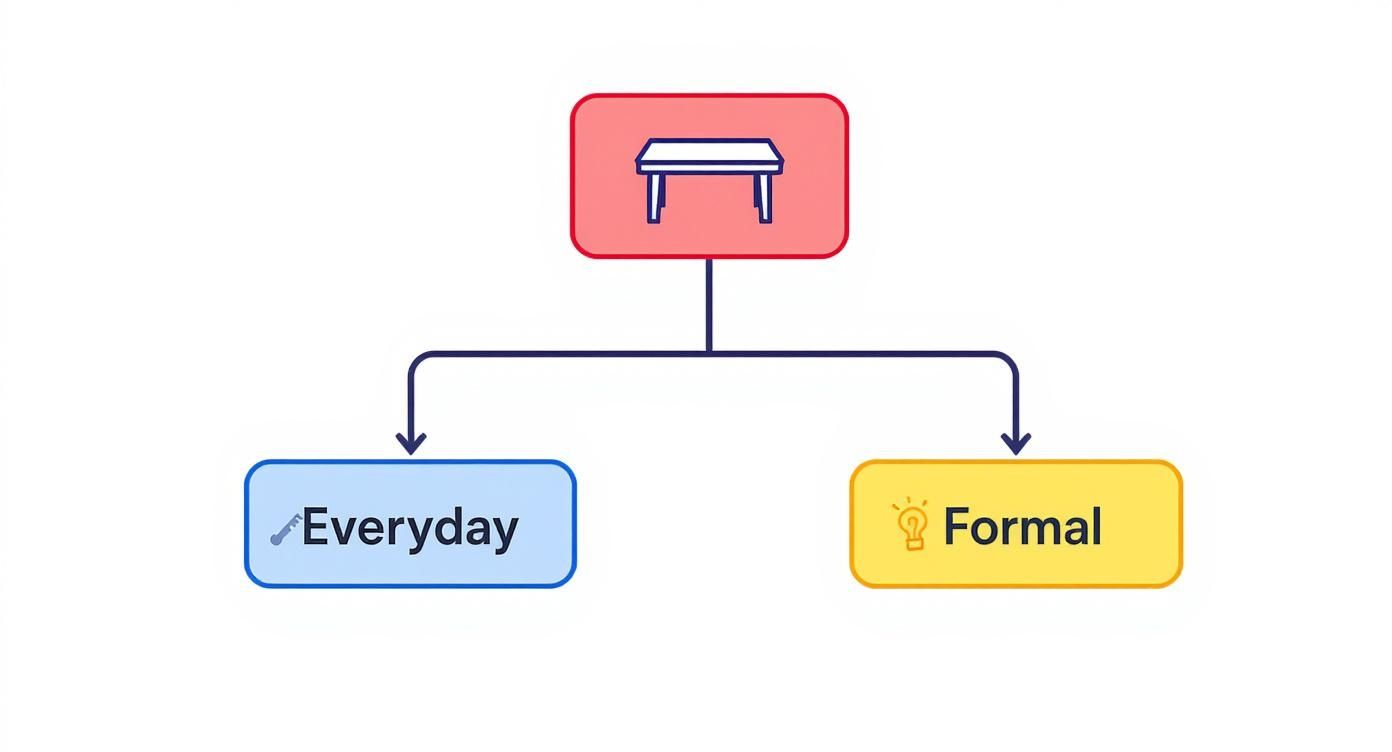
Ultimately, the occasion itself—be it casual or celebratory—should guide all your styling choices, from the layers you add to the accessories you choose.
The Art of Layering for Depth and Texture
Layering is the secret weapon for a tablescape that looks rich and thoughtfully put together. It adds visual interest and a tactile quality that invites guests to settle in and get comfortable. It's all about mixing and matching materials to create that lovely sense of depth.
Start with your linen tablecloth as the foundation. From there, you can introduce different elements to build your look.
A simple linen runner placed down the centre of the table instantly adds a new dimension. Choose one in a contrasting colour for a bold statement or a similar tone for a more subtle effect. It beautifully draws the eye along the length of the table and gives you a designated space for centrepieces.
Next up, consider placemats. They not only protect your beautiful linen but also help to frame each place setting. Rattan or woven placemats add a rustic texture, while simple, block-coloured ones can introduce a pop of colour. You don’t always need them, but they are a powerful tool for adding another layer to your design. For even more inspiration, check out these creative table setting ideas that really master the art of layering.
Finally, think about napkins. Beautifully folded linen napkins, perhaps secured with a simple ceramic or metallic ring, are the final flourish. They tie the whole look together by echoing the colour of your dinnerware or providing a subtle contrast to the tablecloth itself, completing your effortlessly stylish setting.
Making Your Linen Last a Lifetime
https://www.youtube.com/embed/duuS1yN3TZI
One of the best things about pure linen is its staying power. It doesn’t just last; it actually gets better with every wash, becoming softer and more full of character. Forget any rumours you’ve heard about it being precious or high-maintenance. With a little bit of care, looking after your linen tablecloth is beautifully simple.
Think of it less as a chore and more as a small ritual that protects your investment, ensuring it’s ready for years of family dinners and special celebrations. The right approach works with the fabric's natural strengths, keeping the fibres supple and the drape just right.
Simple Washing for Lasting Softness
The golden rule for linen care? Be gentle. While the flax fibres are incredibly strong, they don't respond well to harsh detergents or high heat. A simple cool or lukewarm machine wash is really all it takes to keep your tablecloth looking its best.
For a perfect wash every time, just follow these steps:
- Choose a Gentle Cycle: Pop it in the machine on a cool wash (around 30°C) with a mild liquid detergent. This is more than enough to get it clean without stressing the fibres.
- Avoid Overcrowding: Give your tablecloth some room to move. Wash it with similar colours and don’t stuff the machine, as this helps prevent harsh creases and ensures a proper rinse.
- Skip the Fabric Softener: Linen becomes beautifully soft on its own. Commercial softeners can leave a residue on the fibres, which can diminish their lovely natural texture and absorbency.
This gentle approach is the secret to protecting the fabric's integrity for the long haul. For a deeper dive, our complete linen care guide has all the details you’ll ever need.
Tackling Common Table Stains
A tablecloth that’s truly part of the home is bound to see a few spills. The key is to act quickly, but calmly. For those classic culprits like red wine or coffee, immediately blot the spot with a clean, damp cloth. Whatever you do, don't rub—that just pushes the stain deeper into the weave.
For more stubborn marks, a little pre-treatment before the wash works wonders. A dab of gentle stain remover or even a simple paste of baking soda and water applied directly to the spot can help lift it out before it has a chance to set.
The most important thing to remember for stains is that quick, gentle action beats an aggressive wash later on. A little blotting and pre-treating will rescue your linen from almost any dinner party disaster.
To Iron or Not to Iron
Here’s where you get to decide on the final look. Do you love a sharp, crisp finish or a soft, relaxed texture? Both are beautiful, and the choice is entirely up to you.
- For a Crisp, Formal Look: The trick is to iron your tablecloth while it’s still slightly damp. Use a medium-hot iron and work in long, smooth strokes for that classic, polished finish perfect for a formal setting.
- For a Relaxed, Natural Look: Simply embrace the crumple! Skip the iron and hang your tablecloth to air dry. If you like, a quick tumble on a low heat setting will soften it up beautifully, enhancing its natural texture for that effortless, lived-in feel so many of us love in a linen tablecloth nz home.
Making a Sustainable Choice in New Zealand
For many of us here in New Zealand, a thoughtful purchase goes beyond just looks. It’s about choosing something that feels right and reflects our values. When you bring a linen tablecloth into your home, you're not just getting a beautiful piece of homeware; you're investing in a story of sustainability that starts in a field of flax.
One of linen’s most appealing qualities is its naturally eco-friendly character. It all begins with the flax plant, which is remarkably resilient and easy to grow. Unlike thirsty crops like cotton, flax needs very little water, often getting by on rainfall alone. It also grows happily with minimal need for pesticides or fertilisers, which is a massive win for our soil and ecosystems.
The Provenance of Your Linen Tablecloth
When you start looking for a linen tablecloth NZ retailers offer, you'll find a fantastic mix of local design and high-quality European fabrics. This gives you the freedom to choose a piece that truly aligns with what’s important to you.
Much of the world's most sought-after linen comes from Europe, especially France and Belgium, where the climate is just right for growing top-tier flax. These incredible fabrics are then often brought to Aotearoa, where New Zealand brands design and finish the final products.
It’s a model that gives you the best of both worlds:
- World-Class Fabric: You get the unmatched quality of linen that comes from generations of European textile mastery.
- Local Craftsmanship: Your tablecloth is finished right here, supporting New Zealand artisans and cutting down the carbon footprint of shipping bulky finished goods across the globe.
By backing brands that design or make their products locally, you’re not only getting a world-class material but also investing in our own creative community. To learn more about this amazing fabric’s journey, our guide on linen material in NZ takes a deeper dive.
Certifications That Give You Peace of Mind
So, how can you be sure the linen you're buying is as clean and safe as it is beautiful? This is where certifications come in. They act as your independent guarantee of a product’s integrity, and one of the most important labels to look out for is Oeko-Tex.
The Oeko-Tex Standard 100 is a worldwide testing and certification system for textiles. When a product has this label, it means every single part of it—from the thread to the dyes—has been tested for harmful substances and is completely safe for human health.
This certification is your assurance that your tablecloth is free from a whole host of chemicals you wouldn't want anywhere near your family or your food. It’s a mark of quality and safety that lets you shop with absolute confidence.
This isn’t just a niche interest, either. The global shift towards conscious consumption is massive, with the worldwide table linen market expected to hit 13.5 billion USD by 2025, largely driven by sustainability. That same trend is something we’re seeing right here at home in New Zealand. You can read more about these international market dynamics at FutureMarketInsights.com.
Your Linen Tablecloth Questions Answered
We get a lot of questions about choosing the right linen, so we've put together answers to the most common ones we hear from our customers here in New Zealand.
Think of this as a final chat over the counter to clear up any last thoughts before you find the perfect piece for your home.
Is a Heavier Linen Tablecloth Always Better?
Not at all. The "best" weight really comes down to the look you're going for and how you'll be using it.
A heavier linen with a higher GSM (grams per square metre) has that beautiful, substantial drape you see in fine dining. It’s incredibly durable and feels luxurious, making it perfect for formal events or a busy restaurant. On the other hand, a lighter-weight linen gives you a more relaxed, airy feel that’s just right for everyday family meals or that breezy, coastal look. It’s all about what suits your table and your life.
Why Is Pure Linen More Expensive Than Blends?
The simple answer is quality and craftsmanship. From the field to the finished fabric, creating pure linen is a meticulous, labour-intensive journey. Flax is a tricky plant to grow and harvest, and turning its long fibres into the beautiful textile we love takes real skill.
But here’s the thing: that initial investment pays you back for years. Pure linen is stronger, naturally antibacterial, and gets softer and more beautiful with every wash. It’s not just a purchase; it's a piece you'll have for a very long time.
A quality linen tablecloth isn't a disposable item but an heirloom piece in the making. Its longevity and timeless appeal provide value that far outweighs the initial cost when compared to less durable materials.
Can I Use a Linen Tablecloth on My Patio Table?
Absolutely! Linen is fantastic for outdoor dining. It’s naturally absorbent and dries quickly, so it can easily handle a bit of morning dew or a small spill during a barbecue.
The only thing to be mindful of is our harsh New Zealand sun. To keep your colours looking rich and vibrant, just don't leave your linen tablecloth nz baking outside for days on end. Bring it in after your meal, and it will be ready for the next get-together.
What Is the Best Way to Store My Linen Tablecloth?
Good storage is the secret to avoiding those stubborn, set-in creases and keeping the fabric in top condition.
The ideal way is to roll it. Find a cardboard tube—an old wrapping paper roll is perfect—and gently roll your clean, dry tablecloth around it. This stops sharp fold lines from forming. If you have to fold it, keep the folds loose and store it somewhere cool and dry. A pro tip is to refold it differently each time to avoid stressing the same fibres repeatedly. A little care here makes all the difference when you lay it out on the table.
Ready to invest in a piece that is uniquely yours, tailored perfectly to your table and style? Explore the custom-made options at The Foxes Den, where we specialise in crafting high-quality, New Zealand-made linen homewares that celebrate timeless design. Discover your perfect fit at https://www.thefoxesden.co.nz.